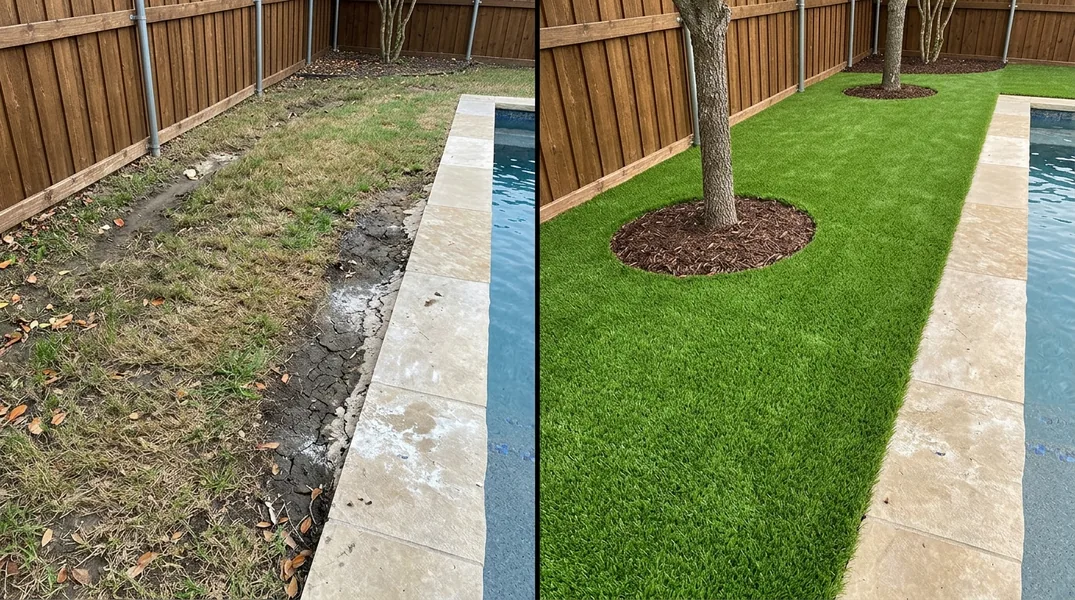
Understanding Your Frisco Yard Options: Turf vs. Sod vs. Native Plants
If you're planning a new yard or renovating an existing landscape in Frisco, you've likely encountered three popular approaches: artificial turf, natural sod, and native plant landscaping. Each option has distinct advantages and trade-offs, and the best choice depends on your lifestyle, budget, maintenance tolerance, and environmental priorities. Understanding these differences helps you make an informed decision that aligns with your home's needs and your personal values.
The Texas climate, particularly in the Frisco area, presents unique challenges for traditional landscaping. Hot summers, occasional droughts, and clay-heavy soil can stress conventional grass and require significant water investment. This reality has prompted many homeowners to explore alternatives that either mimic natural grass or work with the local environment rather than against it. Let's break down each option so you can determine which solution makes the most sense for your property.
Artificial Turf vs. Real Grass: The Core Differences
Residential Artificial Grass Installation has become increasingly sophisticated over the past decade. Modern artificial turf looks and feels remarkably similar to natural grass, yet it eliminates many of the headaches homeowners face with traditional lawns. Real sod, by contrast, is genuine grass planted fresh and requires ongoing watering, fertilizing, mowing, and pest management to thrive in North Texas conditions.
The maintenance difference is substantial. Natural grass in Frisco demands consistent watering, especially during the summer months when temperatures regularly exceed 95 degrees. You'll need to mow weekly during the growing season, apply fertilizer multiple times per year, and manage weeds and lawn diseases. Artificial grass, by contrast, requires no watering, no mowing, and minimal upkeep. You simply rinse it occasionally and brush the fibers to maintain appearance. For busy professionals or families, this difference translates to reclaimed weekends and reduced utility bills.
Water consumption is another critical factor. A typical residential lawn in Texas can consume 50 to 100 gallons per day during peak summer, depending on soil type and grass variety. Artificial turf uses zero water after installation, making it an environmentally responsible choice in a region prone to drought conditions. If water conservation matters to you, Residential Artificial Grass Installation delivers measurable environmental and financial benefits.
Xeriscaping and Drought-Tolerant Landscaping: A Native Plant Approach
Xeriscaping represents a philosophy of landscaping design that minimizes water consumption while creating visually appealing outdoor spaces. Rather than replacing your lawn with turf or sod, xeriscaping uses drought-tolerant plants, mulch, hardscaping elements, and thoughtful design to create a landscape that thrives with minimal supplemental watering. This approach aligns well with Texas's natural growing conditions and can reduce water usage by 50 to 75 percent compared to conventional lawns.
Native plants are the cornerstone of effective xeriscaping in North Texas. Species like Texas sage, lantana, esperanza, and native grasses are naturally adapted to local rainfall patterns, soil conditions, and temperature extremes. These plants require less fertilizer, pest management, and supplemental water once established. A well-designed native plant landscape can look beautiful and dynamic while asking far less of your water bill and your maintenance schedule. Many homeowners appreciate the ecological benefits, too, as native plantings support local pollinators and wildlife.
However, xeriscaping has trade-offs worth considering. A newly installed native plant landscape requires patience as plants establish their root systems, typically 12 to 18 months. The upfront design and installation costs can be comparable to artificial turf. Additionally, if you have young children or pets, a native plant garden may not provide the same safe, durable play surface that turf or sod offers. For families seeking a traditional lawn experience, xeriscaping alone may not fully meet your needs, though it works beautifully as part of a mixed landscape design.
Cost Comparison: Turf, Sod, and Native Plants in Frisco
When evaluating landscape options, cost extends beyond the initial installation. You must factor in long-term maintenance, water consumption, and replacement cycles. Artificial turf typically costs more upfront than sod installation, with pricing varying based on yard size, soil preparation, and turf quality. However, over a 10 to 15 year period, artificial turf usually proves more economical because you eliminate water bills, fertilizer costs, equipment maintenance, and your own labor.
Natural sod installation may appear cheaper initially, but ongoing expenses accumulate quickly. Annual watering costs in North Texas can range from $800 to $2,000 depending on your property size and local water rates. Add fertilizer applications, pest treatments, equipment wear and tear, and your time investment, and the total cost of ownership rises significantly. If your sod fails to establish or requires replacement within a few years, you're facing reinstallation expenses on top of everything else.
Native plant xeriscaping typically requires moderate upfront investment for quality plants, soil amendments, and professional design. Once established, these landscapes demand minimal fertilizer or pest management. Water costs drop substantially after the first two years. If you value environmental stewardship and don't require a traditional lawn feel, xeriscaping offers excellent long-term value. For a personalized assessment of your specific yard and budget, contact Frisco Turf Installation at (940) 289-5633 to discuss your options and receive a free estimate.
Which Option Works Best for Families, Pets, and Entertaining
If your household includes young children or pets, artificial turf and sod both provide safe, durable play surfaces that native plant gardens cannot match. Turf offers superior durability for high-traffic areas and withstands constant use without degrading. It's also softer underfoot than many hardscape alternatives and provides cushioning that reduces injury risk during falls. For families with dogs, Pet Turf & Dog Run Installation offers specialized solutions designed to handle pet waste and heavy paw traffic while maintaining appearance and hygiene.
Natural sod works well for families too, but requires consistent maintenance to stay attractive under heavy use. Pet urine can create brown patches, and muddy paws tracked indoors become a regular occurrence during rainy seasons. Sod also requires mowing and edging to maintain a neat appearance, which can be challenging when children and pets are using the yard simultaneously.
For entertaining and outdoor living, both turf and sod create inviting spaces for gatherings. Artificial turf has the added advantage of staying green and attractive year-round without seasonal dormancy, and you won't worry about muddy spots or bare patches appearing before important events. If you entertain frequently or have active children, artificial turf typically requires less stress and maintenance while delivering consistent, attractive results.
Making Your Decision: What Matters Most to Your Frisco Home
Choosing between artificial grass vs real grass ultimately depends on your priorities. Ask yourself these questions: How much time are you willing to invest in yard maintenance? What's your water conservation commitment? Do you have children or pets requiring a durable play surface? What's your budget for both installation and long-term upkeep? How important is the authentic feel of natural grass versus the practical benefits of artificial alternatives? Your honest answers will guide you toward the best solution.
Artificial turf excels for homeowners prioritizing convenience, water conservation, and year-round appearance. It's ideal for busy professionals, families with active children and pets, and anyone in a drought-prone region seeking sustainability. Sod works well if you value the authentic feel of natural grass and can commit to regular maintenance. Xeriscaping with native plants suits environmentally conscious homeowners who appreciate natural landscapes and are willing to wait for plants to establish.
Many homeowners find that a hybrid approach works best. Artificial turf in high-traffic play areas combined with native plant gardens in other zones creates a balanced landscape that meets multiple needs. Whatever you choose, professional installation ensures proper soil preparation, drainage, and longevity. Frisco Turf Installation specializes in helping homeowners like you navigate these decisions. Call us at (940) 289-5633 or request a free estimate to explore which option is right for your property. We're here to help you create an outdoor space that brings joy and fits your lifestyle.
Looking for a professional artificial grass installation company in Frisco? Frisco Turf Installation responds fast for all your artificial grass installation needs.
Get a Free Quote